PREFIRE 2025 Science Team Meeting
Modified on 12 April 2026 | Erin Hokanson Wagner
PREFIRE’s annual Science Team Meeting was held on October 13th and 14th of 2025 at the University of Michigan in Ann Arbor, Michigan. The project’s principal investigator (Tristan L’Ecuyer) and the team updated each other and project administrators on instrument and satellite health, PREFIRE science results, and science data product development, processing, and delivery. External speakers generated discussion on the impacts PREFIRE could have on related research.

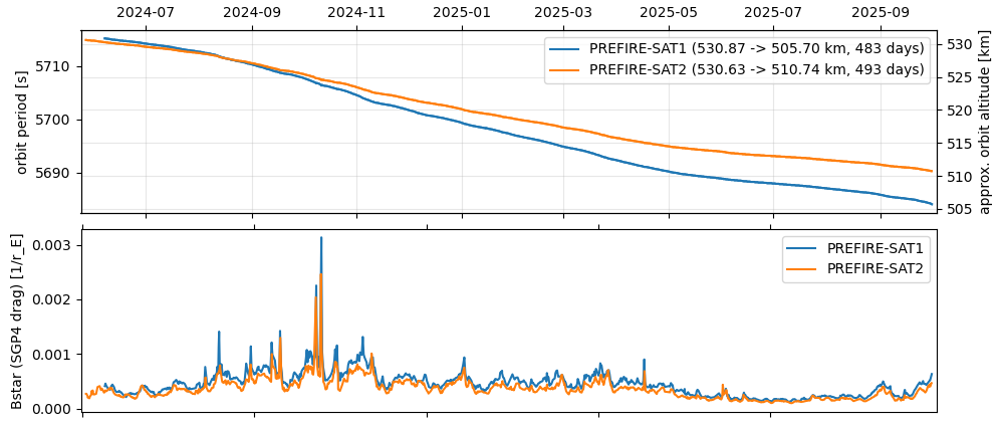
Both PREFIRE CubeSats are in good health, showing no significant degradation over the primary mission. Orbit parameters are keeping pace with or exceeding projections, which means that they can facilitate viable PREFIRE science for several more years.
All PREFIRE data products are processing and flowing to the Atmospheric Science Data Center (ASDC) at NASA’s Langley Research Center in Virginia. Users worldwide have downloaded the data collections after their release. These data can be found at the ASDC page for PREFIRE.
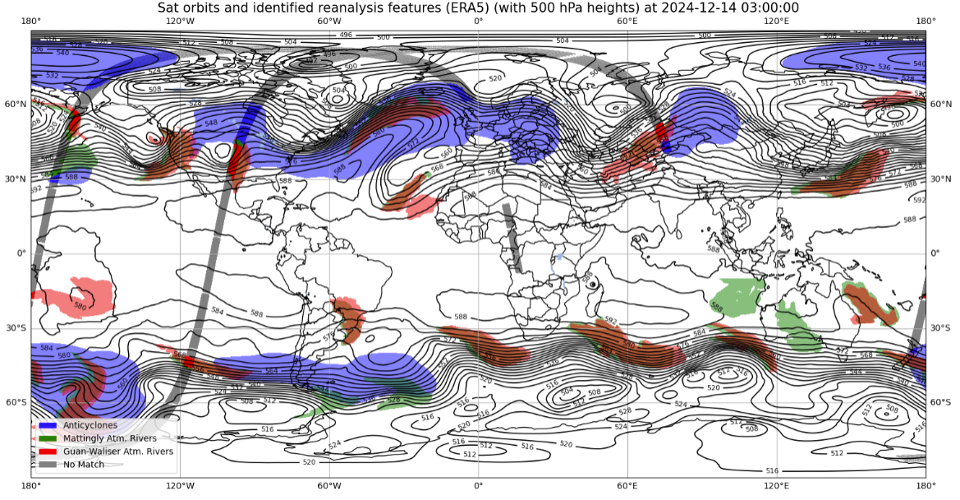
In the meantime, the PREFIRE Science Team has been busy with the early stages of validation and related scientific research. First-look highlights include comparisons to other satellite data, mapping atmospheric features to PREFIRE data, exploring the impact of melting on surface emissivity in Antarctica, using PREFIRE data to improve snow and ice models, comparing PREFIRE data with relevant Earth System Model (ESM) output, and planning to improve PREFIRE science data quality in currently-problematic orbital regions.